replacement printheads Kenya: Plan Your Spare Stock
Should your print shop keep a spare printhead or source one when needed? Build a practical stock plan around your machines, workload and technical support.
Searching for replacement printheads Kenya often starts when a printer stops producing acceptable work. A more useful approach is to decide beforehand whether your business should hold a spare, source a head when needed, or use different policies for different machines. For Kenyan and East African print shops, this is an inventory decision as well as a technical one.
The aim is not to buy a spare for every printer. It is to connect replacement planning with your workload, available cash and ability to keep customer jobs moving.
Build a replacement printheads Kenya stock plan
Start with a simple machine register. This becomes the reference for your spare-parts decisions, rather than relying on staff memory or an old purchase message.
Record:
- The printer model and its installed printhead identification.
- The ink system used by that machine.
- The number of installed heads and their assigned roles.
- The work normally produced on the printer.
- Any previous head replacement and the technician’s findings.
- Where supporting photographs, service notes and purchase records are stored.
Keep the register updated after repairs or configuration changes. A catalogue describes the listed machine options; your register should describe the equipment actually operating in your shop.
Separate similar-looking machine configurations
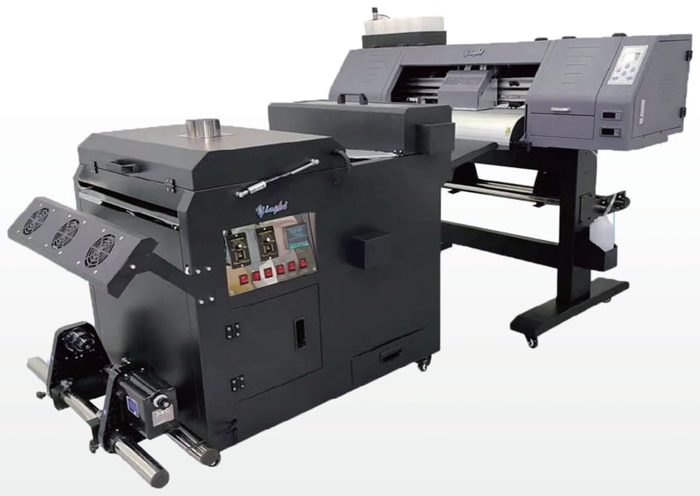
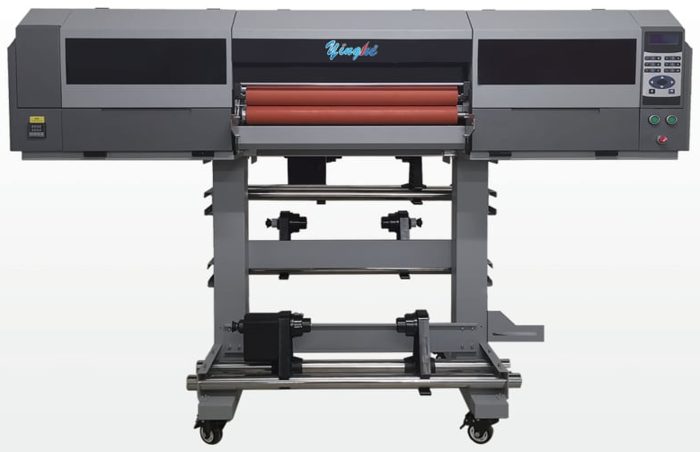
The catalogue lists the YH-700 DTF printer with Epson XP600 x2 and I3200 as an option. The YH-600 UV DTF printer is listed with Epson I3200-U1 x3.
These entries show why a stock record that says only “Epson head” is too broad. Do not assume that a spare allocated to one printer can serve another. Have the intended application confirmed before treating a part as shared stock.
Prioritise machines by production dependence
A busy printer is not automatically the strongest candidate for a stored spare. Consider what happens to the business when that particular machine is unavailable.
Ask:
- Can another machine handle the same work to the required standard?
- Are customer deadlines flexible, or is the production schedule tightly committed?
- Is there an alternative production route you have already assessed?
- Would holding a spare leave too little cash for routine consumables?
- Can you store and manage the part according to its supplied instructions?
Use these answers to separate machines that may justify a spare from those better supported by a documented sourcing plan. Avoid buying several heads merely because they share a familiar model family name.
Compare holding a spare with sourcing when needed
Holding an identified spare
A stored spare may be worth considering where production depends heavily on a particular machine and alternative capacity is limited. However, owning the part does not remove the need for diagnosis, correct installation or subsequent checks.
Before committing funds, ask for the applicable storage guidance and establish who will manage the item. Do not assume a printhead can remain on a shelf indefinitely without attention to its storage requirements.
Maintaining a sourcing plan
For other machines, a ready-to-send enquiry file may be more practical than physical stock. Keep the machine record, head photographs and technical contact details together so staff can request assistance without rebuilding the information each time.
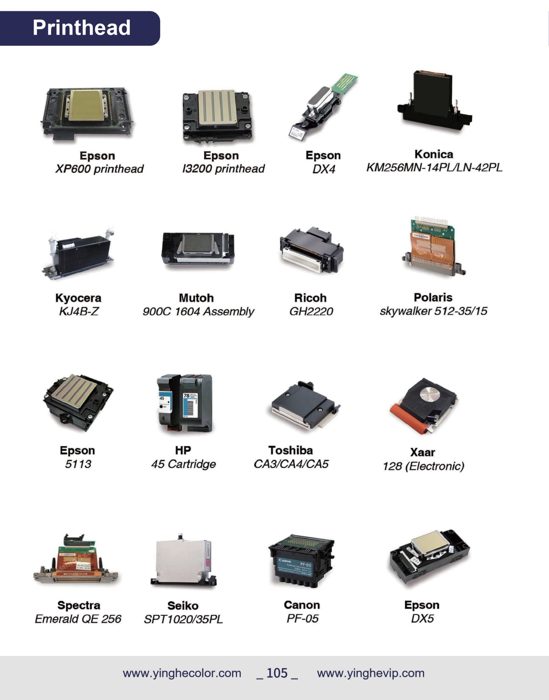
SEAFAR International’s printheads catalogue includes Epson XP600, I3200, DX4, DX5 and 5113, alongside other listed printhead families. Prices are confirmed on WhatsApp. A catalogue listing should not be treated as confirmation of availability or a delivery schedule; ask about these when planning a purchase.
For a specific part requirement, Equipment Sourcing & Import Assistance covers finding and importing the required machine or part, with shipping arranged to the destination.
Control storage, issue and replenishment
Give stored printheads a clear stock record and an assigned machine or confirmed application. Follow the supplied handling and storage instructions rather than opening packaging for routine inspection.
A practical stock record should include:
- Part identification and purchase reference.
- Intended machine and confirmation notes.
- Storage location and responsible staff member.
- Receipt, issue and installation records.
- A replenishment decision after the spare is used.
Keep removed heads clearly separated from unused stock. Record their condition without assuming that a removed head is serviceable or repairable.
Release a spare only after technical assessment
A spare should not become the automatic answer to every print defect. Have the fault assessed before authorising replacement, and retain the findings with the machine record.
Technical Support & Maintenance provides help with machine problems and guidance to keep equipment running. Use that assessment to inform both the repair and your future stock policy.
Next steps
Planning spare printhead stock? Share your machine register and production priorities with SEAFAR International. WhatsApp +254 795 463 928 or email ENQUIRIES@SINTL.CO.KE to discuss listed printheads, sourcing requirements and prices.