how to start tshirt printing business in kenya: A Launch Guide
Build your T-shirt printing business around a clear offer, a suitable production method and a repeatable order process—from sample approval to finished garments.
If you are researching how to start tshirt printing business in kenya, begin with the orders you want to fulfil—not simply the machine you want to buy. A workable launch needs a clear customer offer, a suitable printing method and a reliable process for turning approved artwork into finished garments.
This guide focuses on getting ready for your first orders, rather than calculating a startup budget or predicting profits.
how to start tshirt printing business in kenya: Define your offer
Choose a customer group to approach first, such as businesses needing staff T-shirts, teams wanting personalised garments or organisers preparing event clothing. Treat these as possible markets to investigate, not guaranteed demand.
Ask prospective buyers what they need before choosing equipment. Useful questions include:
- What garment colours, fabrics and sizes do they want?
- Is the design a simple name, a logo or detailed full-colour artwork?
- Where should the print sit on the garment?
- Will individual shirts need different names or numbers?
- When must the finished order be ready?
Use the answers to create a focused offer. A clearly defined service is easier to demonstrate and organise than a promise to print every design on every fabric.
Choose a production route you can manage
Apply prepared transfers
One possible starting route is to obtain prepared garment transfers from a suitable provider and apply them yourself. This lets you practise garment preparation, positioning and pressing before taking responsibility for producing transfers.
SEAFAR lists the Yinghe 38 × 38cm Flatbed Heat Press Machine at KES 29,999. Its catalogue description covers garment printing, DTF transfers and heat-transfer vinyl. Check that your intended print area and application requirements suit the press before ordering.
Prepared transfers still require testing. Follow the transfer supplier’s instructions for application, peeling and garment care rather than using one setting for every material.
Cut heat-transfer film
Heat-transfer vinyl can suit lettering, names and designs built from solid shapes. The workflow involves cutting the design, removing unwanted film and pressing the remaining graphic onto the garment.
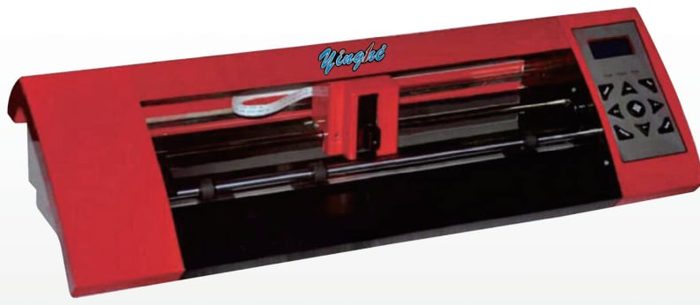
The Desktop cutting plotter YH-360 is listed at KES 42,750. Confirm its suitability for your chosen material and artwork workflow before purchase.
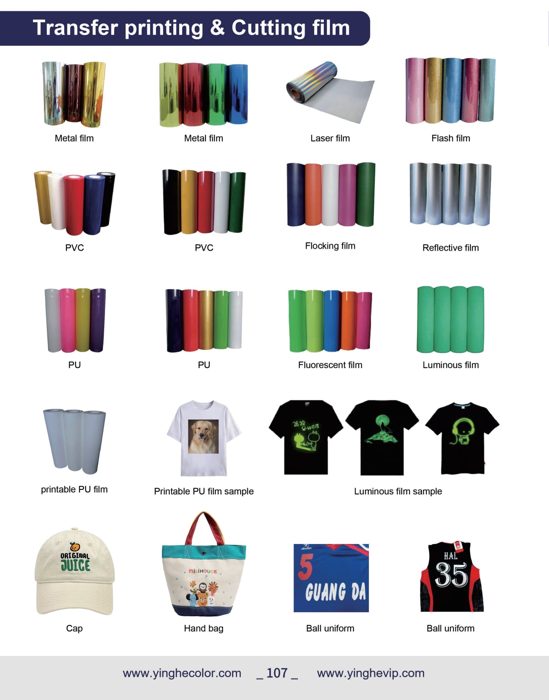
SEAFAR also lists transfer printing and cutting film, including PU, flocking and reflective options. Ask which material suits the garment and finish you want; prices are confirmed on WhatsApp.
Produce DTF transfers in-house
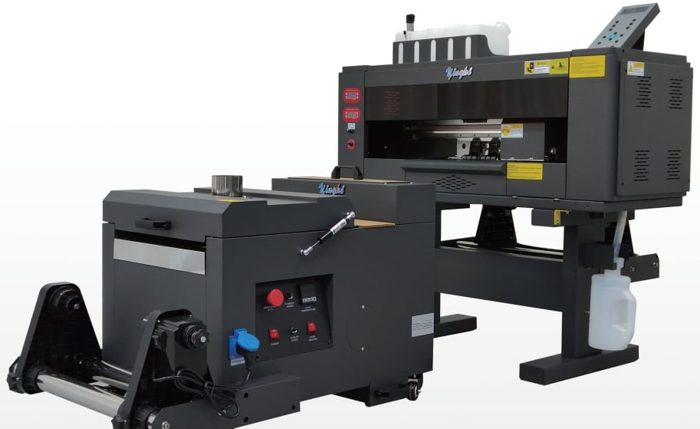
In-house DTF production adds printing, powder application and curing to your responsibilities before the transfer reaches the heat press.
The YH-A3 DTF printer + powder shaking machine is listed at KES 470,250, with Epson XP600 x2 in the catalogue. Confirm the supplied configuration, curing arrangement and operator requirements rather than assuming the listing covers every production need.
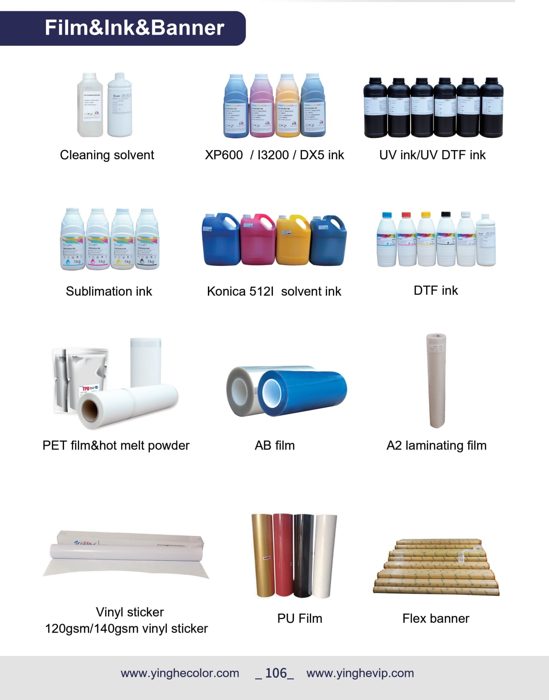
SEAFAR’s film, ink and banner range includes DTF ink, PET film and hot-melt powder. Confirm compatibility with your selected equipment; prices are confirmed on WhatsApp.
Make a sample before accepting a production run
A sample connects your sales promise to what you can actually produce. Use the intended garment fabric, transfer material and artwork wherever possible.
Check the finished sample for:
- Correct spelling, artwork proportions and placement.
- Clean edges and secure adhesion.
- Scorching, unwanted press marks or colour changes.
- Appearance and adhesion after washing according to the recommended care instructions.
Keep a record of the materials and application settings used. Photograph the approved placement and retain the artwork version so repeat orders do not depend on memory.
Turn enquiries into clear job instructions
Before production, put the customer’s requirements into a written order record. Include garment quantities by size, garment colour, print positions, personalisation details and the agreed collection or delivery arrangements.
Send an artwork proof and obtain approval before printing. Explain that an on-screen preview is a layout guide, not a physical fabric sample.
Separate artwork approval from production readiness. Do not commit to a completion date until you have checked materials, production time and any work being handled elsewhere. Record design changes so staff do not print an outdated file.
Prepare your workspace and operating routine
Keep garment handling separate from ink, powder and cleaning tasks. Follow equipment instructions and material safety guidance for ventilation, handling, storage and maintenance. Allow hot equipment to be operated without obstructing walkways.
SEAFAR’s Printing Business Setup & Production Planning service helps plan a business around what customers buy. Machine Operation & Technical Training covers running, caring for and troubleshooting equipment—useful preparation before taking on customer deadlines.
Next steps
Outline your intended customers, garment types and preferred production route. WhatsApp +254 795 463 928 or email ENQUIRIES@SINTL.CO.KE to discuss suitable equipment, confirm prices and ask about setup or training support.