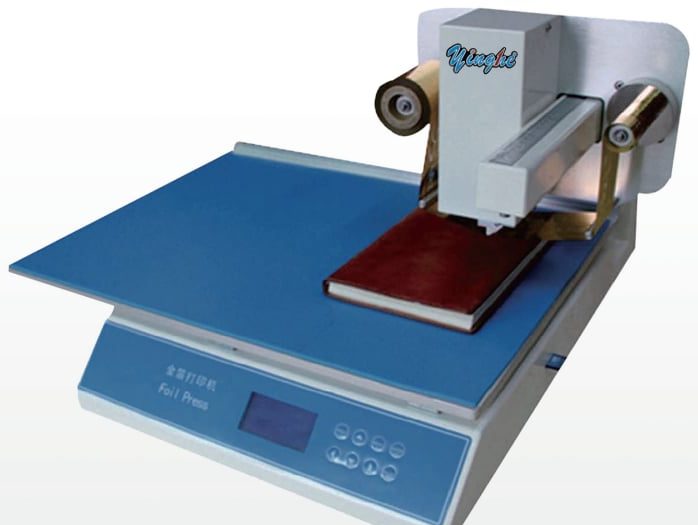
hot foil stamping Kenya: Production Control and Operator Handover
Move from an approved foil impression to a controlled production run with practical job cards, batch checks, fault records and operator handovers.
For print shops researching hot foil stamping Kenya, choosing equipment is only part of the job. Once a foil impression has been approved, the production challenge is keeping placement, coverage and finish consistent across the order. A clear job card and operator handover help staff recognise changes before they become a batch-wide problem.
This guide focuses on controlling a production run rather than preparing artwork or testing diary covers. It is a practical approach for Kenyan and East African teams organising foil-finishing work.
Build a hot foil stamping Kenya production routine
Hot foil stamping uses heat, pressure and contact time to transfer a decorative foil layer onto a suitable surface. The result depends on the combination of equipment, tooling, foil and material—not a temperature setting alone.
Treat each approved job as a documented setup. Settings from a previous order can be a useful reference, but should not automatically become production settings for a different material or foil.
Keep the approved sample beside the workstation, protected from damage. Operators should compare production pieces against that reference rather than rely on memory or a phone photograph, which may not show the finish clearly.
Create a job card that follows the order
A useful job card connects the customer’s approval to what happens at the machine. It should be easy to read during production, not buried in a message thread.
Record:
- The job reference and approved artwork version.
- The material description and batch identification, where available.
- The foil identification and approved finish.
- The die or tooling reference and orientation.
- The positioning guide or fixture used.
- The approved machine settings and sample reference.
- Any handling, finishing or packing instructions.
Keep customer requirements separate from machine adjustments. If an operator changes a setting during production, record the reason and outcome without overwriting the original approved setup.
Organise the workstation before starting
Separate incoming, approved and held work
Give unprocessed items, accepted pieces and questionable pieces clearly identified locations. Mixing them makes it difficult to trace a fault or establish which items still need checking.
Check that positioning guides are secure and the workpiece sits consistently. Dust, scraps or an uneven support surface can affect contact and placement. Follow the equipment instructions for cleaning and setup, keeping hands clear of heated and moving parts.
Confirm the first production piece
After setup, compare a production piece with the approved reference. Check foil coverage, edge definition, position and the condition of the underlying material.
Do not release the full run simply because the foil has transferred. An impression may look complete while sitting out of position or marking the surrounding surface.
Check the run, not just the starting sample
Build checks into the workflow, particularly after interruptions, material changes, foil changes or adjustments. Choose a checking frequency appropriate to the job rather than assuming one interval suits every order.
Look for:
- Missing foil or patchy coverage.
- Edges losing definition or fine gaps filling in.
- Position shifting against the approved reference.
- Unwanted impressions, distortion or surface marking.
- Foil lifting during normal handling after cooling.
Hold questionable work separately. Identify the last accepted check and review the pieces produced since then before continuing.
Respond to faults without chasing settings
When a defect appears, pause and describe it precisely. “Poor finish” gives the next operator little direction; “missing foil along one edge” provides a useful starting point.
Inspect positioning, support, cleanliness and material consistency before assuming more heat or pressure is needed. Change one variable at a time within the equipment and material guidance, then assess the result.
Persistent faults may need technical attention. SEAFAR’s Technical Support & Maintenance provides help with machine problems and guidance on keeping equipment running. Isolate equipment before maintenance as instructed by the manufacturer, and allow heated components to cool before handling them.
Make operator handover part of production
A handover should state what is complete, what remains and what needs attention. Pass on the approved reference, current settings, any adjustments and the location of held pieces.
For equipment enquiries, SEAFAR lists the Hot foil stamping machine YH-8025 at KES 142,500. Confirm its suitability for your intended materials, tooling and workflow before purchasing; the model name alone does not establish compatibility.
Machine Operation & Technical Training covers running, caring for and troubleshooting equipment. For help organising consistent output from existing equipment and materials, explore Production Workflow & Technical Consulting.
Next steps
Discuss your hot foil stamping workflow, equipment requirements or operator training with SEAFAR. WhatsApp +254 795 463 928 or email ENQUIRY@SINTL.CO.KE with your material details, intended finish and current production challenges.