DTF white ink Kenya: Safe Handling and Storage
Build a practical white-ink handling routine for your print shop, covering storage, bottle preparation, clean refilling and responsible waste handling.
For print shops searching for DTF white ink Kenya, choosing a supplier is only part of the task. What happens between receiving a bottle and filling the printer matters too. A clear handling routine helps staff protect ink from contamination, follow safety instructions and avoid mixing products whose compatibility has not been confirmed.
This guide focuses on the ink-handling bench: storage, preparation, refilling and waste. It is separate from artwork preparation or troubleshooting a printer fault.
DTF white ink Kenya: Start with product instructions
White DTF ink contains pigment that can settle. However, the correct way to prepare it depends on the formulation and the printer’s ink system. Do not assume that advice for another brand, or for UV DTF ink, applies to your garment DTF setup.
Before opening a bottle, obtain the supplier’s handling instructions and safety data sheet. Check:
- Whether the ink is suitable for your specific printer and ink system.
- How the supplier says to redisperse settled pigment.
- The stated storage conditions and usable life after opening.
- Required protective equipment and spill precautions.
- Whether changing from your existing ink requires an approved changeover procedure.
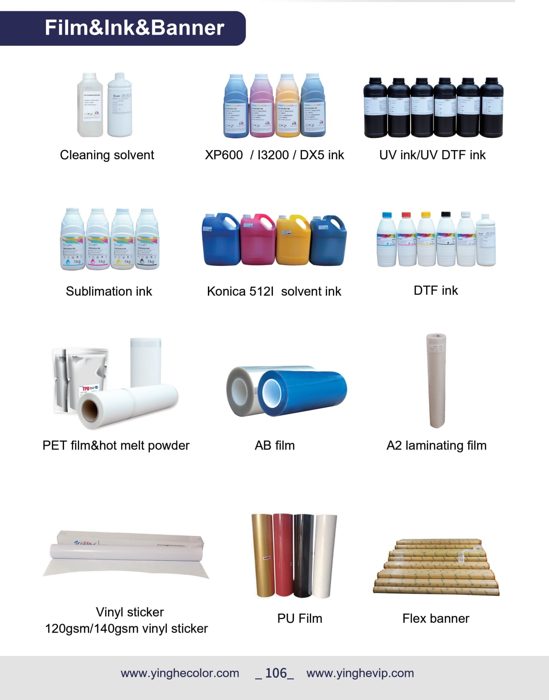
SEAFAR International’s film, ink and banner catalogue includes DTF ink. Confirm the white-ink formulation, compatibility, pack details and handling documentation before ordering. Prices are confirmed on WhatsApp.
Create a clean ink-handling area
Keep refilling work away from powder application, garment lint and general cleaning activities. An uncapped bottle should not sit beside an active powdering station or beneath a dusty shelf.
Use a stable, easy-to-clean surface and keep only the materials needed for the task nearby. Follow the safety data sheet for ventilation and protective equipment. Keep food and drinks away from the handling area, and wash hands after handling ink.
Separate ink from other consumables
SEAFAR also lists PET film and hot-melt powder, with specifications and prices confirmed on WhatsApp. Store these materials according to their own instructions rather than treating every DTF consumable alike.
Keep powder containers closed when not in use, and protect film from dust and handling marks. Separate storage helps prevent powder or debris reaching bottle openings and filling tools.
Store bottles according to the label
Use the ink supplier’s stated storage range rather than a temperature copied from an unrelated product. Choose a location away from direct sunlight and heat sources, and assess whether conditions change when the shop is closed.
Keep bottles securely closed, upright and clearly labelled. Retain the original packaging where possible so that product identification and safety information stay with the ink.
A simple shelf routine should include:
- Marking the opening date without covering the original label.
- Using suitable older stock first, within the supplier’s stated limits.
- Keeping questionable or damaged containers separate from usable ink.
- Leaving unidentified ink out of production until its identity is confirmed.
Do not return leftover ink from a filling container to the original bottle. That can introduce contamination into the remaining supply.
Prepare and refill without improvising
Follow the specified mixing or agitation method. Do not substitute vigorous shaking, heating or additives for the supplier’s instructions. Different preparation methods can introduce air or otherwise affect handling.
Check the bottle and its contents for unexpected changes. If you notice persistent clumps, damaged packaging or anything inconsistent with the product guidance, pause and ask the supplier before filling the machine.
Keep the filling process controlled
Use clean, dedicated filling tools approved for the ink and printer. Avoid sharing funnels or containers between white ink, colour ink, cleaning fluids and unrelated ink types.
Follow the printer’s refill procedure, including its operating state and fill limits. Close containers promptly, clean any drips using the approved method, and keep labels readable. Never add cleaning fluid or another ink formulation to make a bottle easier to pour.
Plan for spills and staff handover
Keep the safety data sheet accessible to everyone who handles ink. Base spill cleanup, first aid and waste disposal on that document and applicable local requirements. Do not pour waste ink or contaminated cleaning liquid into drains.
Give each operator the same written routine. SEAFAR’s Machine Operation & Technical Training provides hands-on guidance for running, caring for and troubleshooting equipment. Ask about incorporating your ink supplier’s handling instructions into operator training.
Next steps
For DTF white ink Kenya enquiries, WhatsApp +254 795 463 928 or email ENQUIRIES@SINTL.CO.KE. Share your printer model and current ink details to discuss compatibility, handling guidance and pricing.