DTF ink suppliers in Kenya: Batch Records and Acceptance
Build a practical process for receiving DTF ink, recording batch details and testing new deliveries before releasing them into garment production.
Searching for DTF ink suppliers in Kenya is only the start of a purchasing process. Once ink reaches your print shop, you need a way to identify it, check the delivery and assess its performance before using it on customer orders. A simple receiving record helps separate supply questions from problems caused elsewhere in production.
This guide focuses on delivery acceptance and batch traceability: knowing which ink arrived, where it was used and what happened during testing.
DTF ink suppliers in Kenya: Ask for traceable information
A useful supplier conversation goes beyond requesting a price. Ask what product identification and handling information will accompany the ink, and keep the response with your order record.
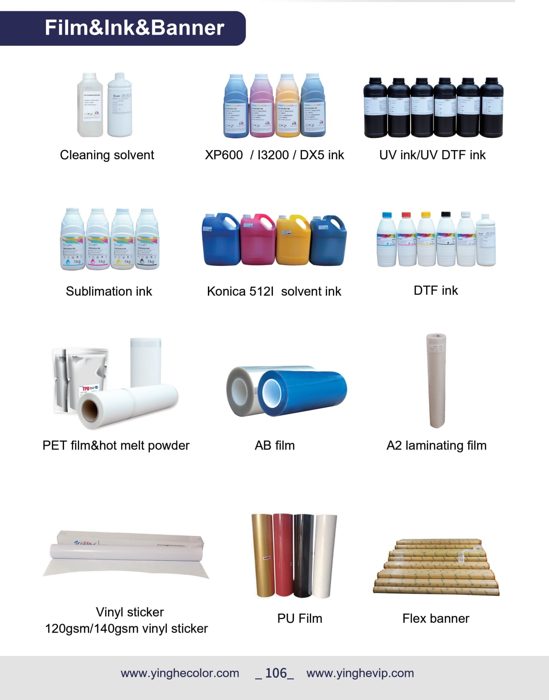
SEAFAR International lists DTF ink within its film, ink and banner range. The same catalogue entry also includes other ink types, so your enquiry should explicitly state that you need DTF ink for garment transfers. Prices are confirmed on WhatsApp.
Before ordering, request confirmation of:
- The exact ink description and colours being quoted.
- Pack sizes and quantities included in the quotation.
- Available batch identification and shelf-life information.
- Storage and handling instructions for the supplied product.
- The procedure for reporting damaged packaging or a suspected quality issue.
Do not assume that a catalogue category answers these questions. Keep the confirmed product description alongside your purchase record so staff can check the delivery against it.
Set up a receiving check before opening bottles
Choose one person to receive consumables, or use a shared checklist when several staff members handle deliveries. The aim is to prevent unidentified bottles from moving straight into the production area.
Check the delivery against the order
Compare the labels, colours and quantities with the confirmed order. Look for leaking containers, damaged closures or labels that are missing or difficult to read. Photograph any concern before opening or using the affected product.
If something does not match, keep it separate and ask for clarification rather than treating it as an acceptable substitute.
Record what the label actually says
Create a paper log or spreadsheet with fields for:
- Supplier and order reference.
- Date received and person receiving the delivery.
- Product name, colour and quantity.
- Batch or lot code, where supplied.
- Any manufacture, expiry or use-by information shown.
- Packaging concerns and the action taken.
If a detail is absent, record it as missing and ask the supplier. Do not create a batch code that could later be mistaken for the manufacturer's identification.
Assess a new delivery with a controlled test
A delivery check confirms what arrived; a production test helps you assess how it behaves in your workflow. Do not make a large customer order your first trial of a new delivery.
Follow the relevant machine and ink instructions before introducing ink. If the formulation is changing or its identity is uncertain, seek technical guidance rather than mixing it with the existing supply.
Use a familiar test design and record the production settings. Keep the film, powder, garment type and transfer procedure consistent wherever possible. Changing several variables together makes any difference harder to investigate.
SEAFAR also lists PET film and hot melt powder. Specifications and prices are confirmed on WhatsApp. Record these materials alongside the ink because the finished transfer reflects the whole process, not ink alone.
Examine the printed film and finished garment for unexpected appearance, transfer behaviour or adhesion concerns. Where washing forms part of your shop's quality checks, follow the relevant care guidance and record the method used. Keep a labelled sample with the test notes.
Make acceptance a recorded decision
Give each delivery a clear status: awaiting inspection, awaiting clarification or accepted for use. Keep unresolved deliveries away from approved consumables so another operator does not use them accidentally.
Once accepted, record when each bottle is opened and which machine receives it. Follow the supplied storage instructions and organise stock using the available shelf-life information, rather than simply reaching for the nearest bottle.
For repeat orders, retain the product description and previous test notes. These provide a useful reference without assuming that every delivery can bypass inspection.
Raise concerns with evidence
If output changes, gather the ink label details, receiving photographs, test samples and production settings before contacting the supplier. Include relevant nozzle-check results and note any other materials or settings that changed.
Avoid declaring the ink faulty solely from the finished garment. SEAFAR's Technical Support & Maintenance offers help with machine problems and maintenance guidance, while Production Workflow & Technical Consulting addresses consistency across equipment and materials.
Next steps
Enquiring about DTF ink suppliers in Kenya? Send SEAFAR your ink requirements and questions about product identification and handling. WhatsApp +254 795 463 928 or email ENQUIRIES@SINTL.CO.KE; prices are confirmed on WhatsApp.