DTF film supplier Kenya: Reorder and Delivery Checks
Make repeat DTF film orders easier to verify with clear purchase records, delivery checks, labelled storage and a controlled approval test.
If you are searching for “DTF film supplier Kenya” to replenish your print shop’s consumables, a repeat order deserves more than a message saying “send the same film”. Clear purchase records, delivery checks and a controlled approval test help your team identify what arrived and decide whether it is ready for production.
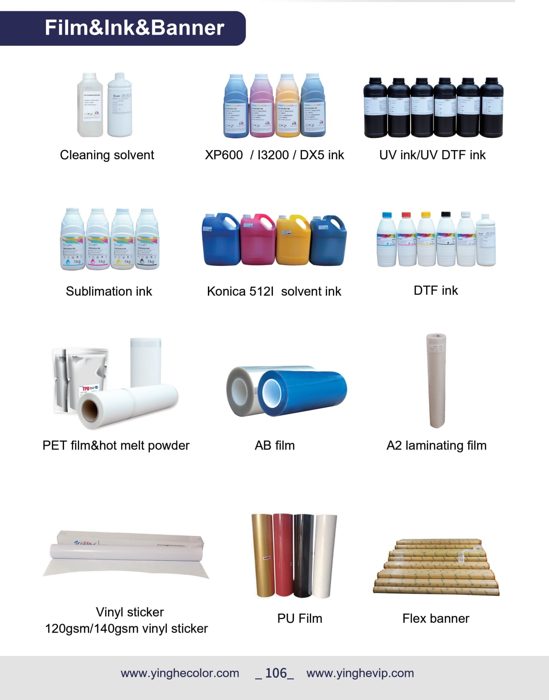
SEAFAR International lists PET film & hot melt powder, with specifications and prices confirmed on WhatsApp. This guide focuses on managing repeat purchases and incoming materials, rather than choosing a film-and-powder combination for the first time.
DTF film supplier Kenya: Build a repeat-order record
A previous invoice is useful, but it may not contain every detail your operator needs. Keep a purchasing record alongside the label or packaging information from material your shop has already tested successfully.
Record the details you can verify:
- Supplier product name and your previous order reference.
- Film format, dimensions and pack quantity, where confirmed.
- Peel instructions and other supplied processing guidance.
- Powder product identification used during the approved test.
- Label photographs and any batch or lot reference provided.
- The date your shop received and approved the material.
Do not fill gaps by guessing. If the packaging does not identify a specification, ask for confirmation before placing the next order. A familiar product name alone is not a complete purchasing specification.
Request a quote that your receiving team can check
A useful repeat-order enquiry gives the supplier enough information to identify the material while giving your staff a clear basis for checking the delivery.
Attach your previous reference and label photograph. State the quantity required and ask whether the proposed material differs from your earlier purchase. Confirm the quoted unit, pack contents, specifications and delivery arrangements before payment.
Keep film and powder quantities separate
The catalogue entry is named PET film & hot melt powder, but do not assume that this means a fixed bundle or a particular quantity of each item. Ask what the quotation includes and have film and powder quantities clearly identified.
SEAFAR also lists DTF ink, PET film and hot-melt powder within its film, ink and banner range. If ordering several consumables together, request clear item descriptions so the receiving team can distinguish them. Prices are confirmed on WhatsApp.
Inspect incoming material before shelving it
Make receiving checks part of normal purchasing, not something staff only do after a production fault. Compare the delivered items with the confirmed quotation and accompanying paperwork.
Before opening everything, check:
- Product labels against the items ordered.
- Pack quantities and any stated dimensions.
- Packaging for tears, crushing or signs of moisture.
- Visible film edges for damage or contamination.
- Supplied instructions and any batch identification.
Photograph discrepancies and set questionable material aside while you seek clarification. Keeping it separate prevents an operator from using it accidentally during an urgent garment order.
Avoid treating an unfamiliar label as proof that the material is unsuitable. Equally, do not assume a similar-looking pack is identical. Resolve the identification question first.
Approve the delivery with a controlled test
A receiving inspection checks identity and visible condition; it does not replace a production test. Before committing customer garments, run a familiar test design using the supplier’s instructions and a suitable test garment.
Change one variable at a time
Where practical, retain the same artwork, garment type, ink, powder and equipment conditions used for your previous approved test. Record any unavoidable changes. If several materials change together, it becomes harder to identify the cause of a different result.
Check image detail, release behaviour, transfer edges and adhesion. Assess the finish after cooling and use an appropriate wash test before making durability claims to customers. Record observations rather than simply writing “good”.
If results remain inconsistent, Production Workflow & Technical Consulting provides advice on achieving more consistent output from existing equipment and materials.
Keep approved deliveries identifiable
After approval, label stored material with its receipt date and internal reference without marking or contaminating the usable film. Retain the original product information and follow the supplied storage guidance.
Keep opened material protected from dust and moisture. Avoid mixing unidentified leftovers into a new delivery. Rotate suitable older material first, subject to its condition and any supplied shelf-life guidance.
Link production notes to the material reference where practical. This gives staff a useful starting point if a later job behaves differently and makes the next reorder more precise.
Next steps
Preparing a repeat order? Send your previous product reference, label photographs and required quantities to SEAFAR International on WhatsApp +254 795 463 928 or email ENQUIRIES@SINTL.CO.KE to confirm specifications and prices.