DTF colour printing Kenya: Approving Brand Colours
Learn how to set realistic brand-colour expectations, assess finished garment proofs and ask useful questions before buying DTF equipment and consumables.
For businesses researching DTF colour printing Kenya, a useful buying question is: how will we approve a customer's brand colours before producing the full order? A logo that looks correct on a phone may look different on a finished T-shirt. Choosing equipment and consumables should therefore include a plan for checking colour, agreeing expectations and recording the approved result.
DTF colour printing Kenya: Start with a colour reference
Before discussing a printer, establish what your customers expect you to match. A supplied logo file, a photograph of an old uniform and a physical brand-colour reference are not interchangeable.
Screens produce colour with light, while printed garments reflect light. Screen brightness, image editing and viewing conditions can all affect what a customer thinks they are approving. A photograph sent through messaging is useful for discussion, but it should not be the sole reference for a colour-critical order.
Ask customers for:
- The original artwork rather than a screenshot.
- Brand guidelines or named colour references, where available.
- A physical example if matching existing uniforms matters.
- The garment type and colour intended for production.
- Confirmation of which colours require particular attention.
Agree on the reference before preparing a proof. Otherwise, staff may spend time adjusting a print towards different expectations.
Understand what a printer purchase can establish
A printhead name is not a colour guarantee
CMYK printing creates colours using cyan, magenta, yellow and black. Some colours visible on a screen or specified in a brand guide may fall outside the range a particular printing setup can reproduce.
The printer matters, but so do the ink, film, colour settings and transfer process. A printhead specification alone cannot establish whether a difficult corporate colour will meet a customer's expectations.
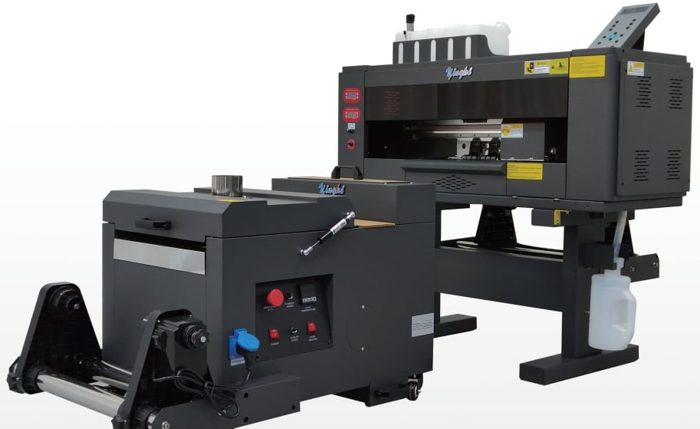
SEAFAR lists the YH-A3 DTF printer + powder shaking machine at KES 470,250, with Epson XP600 x2. When considering this equipment, ask what software, colour-management setup and operating guidance are included in the proposed supply. Do not assume these details from the product name.
Ask about the route from artwork to garment
RIP software prepares artwork for printing and can influence colour handling. Ask how colour profiles and print settings will be selected for the proposed materials. Avoid repeatedly converting files between colour spaces without a clear workflow, as this can change colour information.
Useful buying questions include:
- How should customer artwork be supplied and prepared?
- What colour settings are appropriate for the proposed ink and film?
- How can operators save and identify approved settings?
- What should be checked when a finished transfer differs from the reference?
Approve the finished garment, not only the film
A transfer viewed on film is not the finished product. Judge the colour after applying it to a representative garment using the recommended process for the materials involved.
Prepare a proof containing the actual logo and any colour-sensitive artwork. Where a colour needs adjustment, clearly labelled alternatives can help the customer choose an acceptable result. Keep each alternative linked to its file and settings.
Assess proofs under consistent lighting. Where practical, also consider the lighting in which the uniform or promotional garment will normally be seen. Avoid comparing samples in different locations and assuming any difference comes from the printer.
Record whether the customer accepts the printed result as a practical match. Do not promise an exact match to every screen colour or reference.
Buy consumables with repeatability in mind
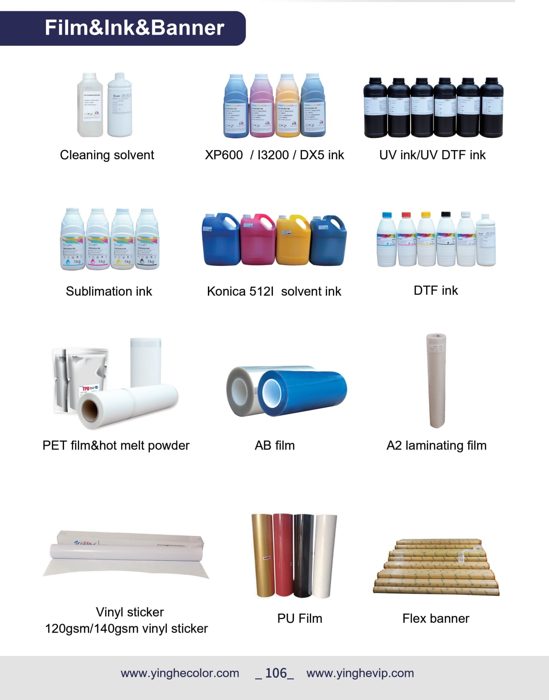
SEAFAR's film, ink and banner range includes DTF ink, PET film and hot-melt powder. The separate PET film & hot melt powder listing is another enquiry point for these materials. Prices are confirmed on WhatsApp.
Ask for specifications and compatibility guidance before purchasing. A material change can affect the finished result, so an approved colour should not automatically be treated as valid after switching consumables.
Keep a simple production record covering:
- Artwork version and approved colour reference.
- Printer settings and colour profile used.
- Ink, film and powder identification.
- Garment type and colour.
- Transfer settings and the retained approved sample.
These records provide a starting point for repeat orders rather than relying on an operator's memory.
Include workflow guidance in your buying decision
If your team needs help establishing a repeatable approval process, SEAFAR offers Production Workflow & Technical Consulting, with advice on achieving more consistent output from existing equipment and materials.
Discuss your artwork-to-garment workflow and the points where colour decisions need to be recorded. Clear approval responsibilities matter alongside the machine purchase.
Next steps
Planning DTF colour printing in Kenya? Share your artwork, garment requirements and colour reference with SEAFAR. WhatsApp +254 795 463 928 or email ENQUIRIES@SINTL.CO.KE to discuss equipment, consumables and workflow guidance.